
OTT Streaming Data Scraping for Studios, Distributors & Analysts
OTT streaming data scraping tracks which films and series each streaming service offers in each country, when titles arrive and leave, what subscriptions and rentals cost, and how audiences rate them. We collect it from public catalogue pages, rental stores, review aggregators and cinema listings, match every title to one ID and deliver a clean daily dataset.
Why Do Entertainment Companies Need Streaming Catalogue Data?
A film can be on one subscription service in Germany, a different one in Brazil, available only to rent in Canada and not available at all in Japan. Those windows change every month as licences start and expire. Studios, distributors and sales agents need to see where their titles and their rivals' titles actually appear, not where the contract spreadsheet says they should.
Streaming services also change their prices and plans often, adding ad-supported tiers, raising premium plans in some markets and running regional promotions. Analysts and competing services track those moves country by country, and doing it by hand across dozens of markets is slow and error-prone.
The catalogue data itself is messy. Titles are translated, re-cut, released under alternative names or split into seasons differently, so simply counting rows tells you little. The value comes from a matched, de-duplicated catalogue that can be compared across services, countries and months.
What Streaming Data Can Be Scraped?
Title metadata
- Title, original title and local title
- Type: film, series, season or episode
- Release year, runtime and genres
- Cast, director and studio where shown
- Age rating, audio and subtitle languages
Availability and windows
- Service and country where the title is listed
- Included in subscription, rent or buy
- Date first seen and date removed
- "Leaving soon" and "new arrival" flags
- Video quality offered, such as HD or 4K
Prices, ratings and showtimes
- Subscription plan prices by country
- Rental and purchase prices per title
- Audience and critic scores, with counts
- Cinema, screen format and showtime
- Ticket price where the listing shows it
Streaming Availability Sample Data
One week of catalogue changes for a distributor, with every title matched to a single internal ID so the same film can be followed across services and countries.
| Title ID | Title | Year | Service | Country | Offer | Price | Change |
|---|---|---|---|---|---|---|---|
| T-004812 | The Quiet Harbour | 2023 | service-a | DE | Subscription | Arrived 17 Nov | |
| T-004812 | The Quiet Harbour | 2023 | store-1 | CA | Rent | CAD 5.99 | Price cut from 6.99 |
| T-007735 | Northline (Season 2) | 2024 | service-b | BR | Subscription | Leaving 30 Nov | |
| T-009120 | Paper Kites | 2022 | service-c | IN | Subscription, ads | No change | |
| T-011458 | Long Shadow | 2025 | store-2 | UK | Buy | £13.99 | New listing |
OTT Data Use Cases for Media and Entertainment
These are the questions entertainment clients most often ask streaming data to answer.
Title availability tracking
Where each film or series streams, rents or sells, country by country, with dated changes.
Subscription price benchmarking
Plan prices and tiers for every service in every market, tracked over time.
Learn moreCinema showtimes
Films, screens, formats and times from cinema listings for release planning and audience apps.
Licensing and rights checks
Spot titles appearing in a territory or window that does not match the agreed licence.
Catalogue strategy research
Compare catalogue size, genre mix and local content share between services.
Learn moreRatings and audience reaction
Audience and critic scores over a title's release, set against its availability.
Learn moreHow Do You Match the Same Title Across Streaming Services?
Each service and country names titles in its own way. A thriller might be listed under its English title in one market, a translated title in another and a subtitle-free short name in a third. We match on a combination of original title, release year, runtime, director and lead cast, and we keep a reviewed list of difficult cases so the same mistake never repeats.
Series need extra care. Some services list a whole show, some list seasons separately, and some rename a season when it moves service. We store availability at the level you need, show or season or episode, and roll it up for reporting.
Catalogues also differ by country, so collection must reflect each market. We request pages as a visitor in that country would see them and record the date of every observation. That turns daily snapshots into a history of arrivals, departures and price changes you can report on with confidence.
Is It Legal to Scrape Streaming Catalogue Data?
Catalogue listings, plan prices and showtimes are published so the public can browse them. We keep our collection to that public layer and review each source's terms before we start.
- Public catalogue, browse and title pages only, without signing in
- Public plan and pricing pages for subscription prices
- Public ratings and review scores, without reviewer personal data
- Cinema listings as shown to any visitor
- Sensible request rates, agreed per source
What we do not do
- Use subscriber accounts or shared logins
- Download, copy or record any video or artwork beyond what you are licensed to use
- Get around region locks or technical protections
- Collect viewer or account data
How Does a Streaming Data Project Work?
- 01
Pick services and markets
Tell us the services, stores, cinema chains and countries, and whether you need full catalogues or a title list.
- 02
Free sample in 48 hours
Matched rows for a few services and countries, so you can test the IDs against your own records.
- 03
Live in about 7 days
Daily catalogue snapshots and change reports in CSV, JSON, your database or a private API.
- 04
Kept current
When a service redesigns its catalogue pages, we repair the scraper and backfill any gap.
Why Choose TheDataHQ for Entertainment Data?
We are a managed scraping agency, running since 2015, with more than 10,000 websites scraped, 15,000+ scrapers built and 200+ projects delivered for clients in 10+ countries. Our pipelines process over a million pages a day with 98% data accuracy. We have no published streaming case study yet, so we prove fit with a free sample from your own list of services and markets.
How Much Does Streaming Data Scraping Cost?
No minimum project size. Small fixes and big builds are both welcome.
Can you track which streaming service a movie is on in each country?
Yes. We collect public catalogues country by country and record which service offers each title, whether it is included, for rent or for sale, and when that changed.
Can you track streaming subscription prices by country?
Yes. We collect public plan pages for each service in each market, including ad-supported tiers, and report every change with the date it was seen.
Do you scrape cinema showtimes?
Yes. We collect films, cinemas, screen formats, times and, where shown, ticket prices from public cinema listings, refreshed as often as hourly.
Do you need a subscription to collect streaming catalogue data?
No. We only collect what services show publicly without signing in. If a catalogue is visible only to subscribers, we do not collect it.
Can you match streaming titles to our own catalogue IDs?
Yes. We match each title by original name, year, runtime and key people, then map it to your internal IDs or to any reference database you hold a licence for. Uncertain matches are flagged for review instead of guessed.
How often is streaming availability updated?
Daily is standard, which catches arrivals and departures within a day. Price pages are often weekly, and showtimes can run every hour.
How much does OTT data scraping cost?
The number of services, countries and titles drives the cost, along with how often catalogues are checked. Streaming projects use engineer time from $15 an hour or a dedicated engineer from $2,400 a month, with a fixed quote available after you review a free sample.
OTT streaming data scraping guides
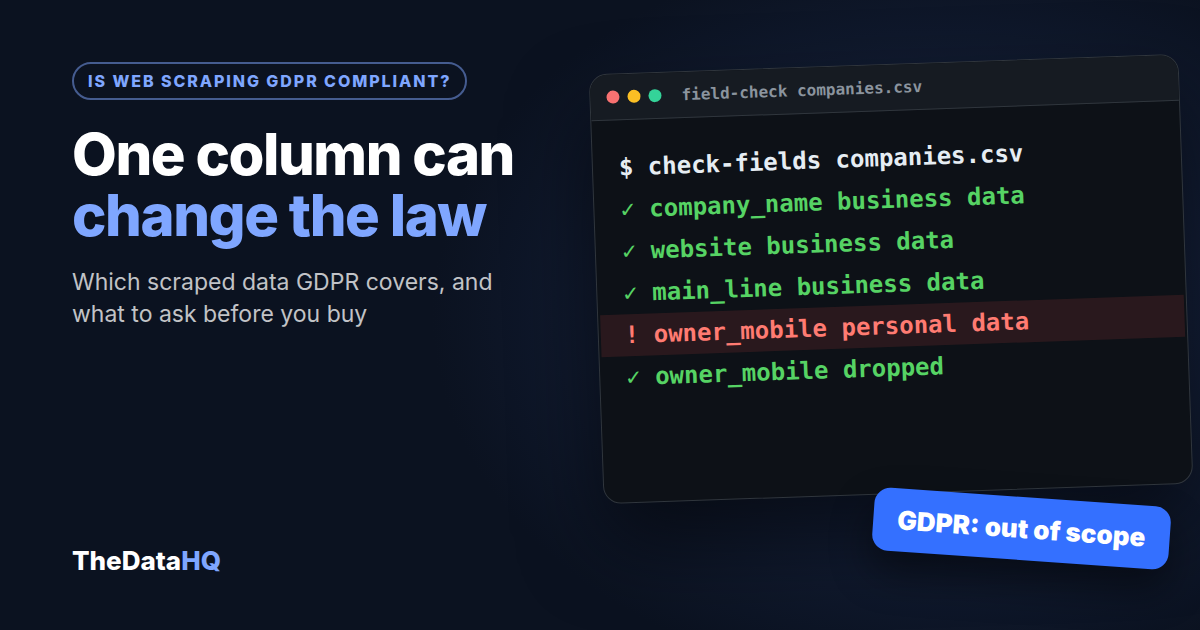
Is Web Scraping GDPR Compliant When You Buy the Data?
GDPR only applies when scraped data identifies a person. Which data is in scope, who is responsible when you buy it, what the EDPB draft…
Read the guide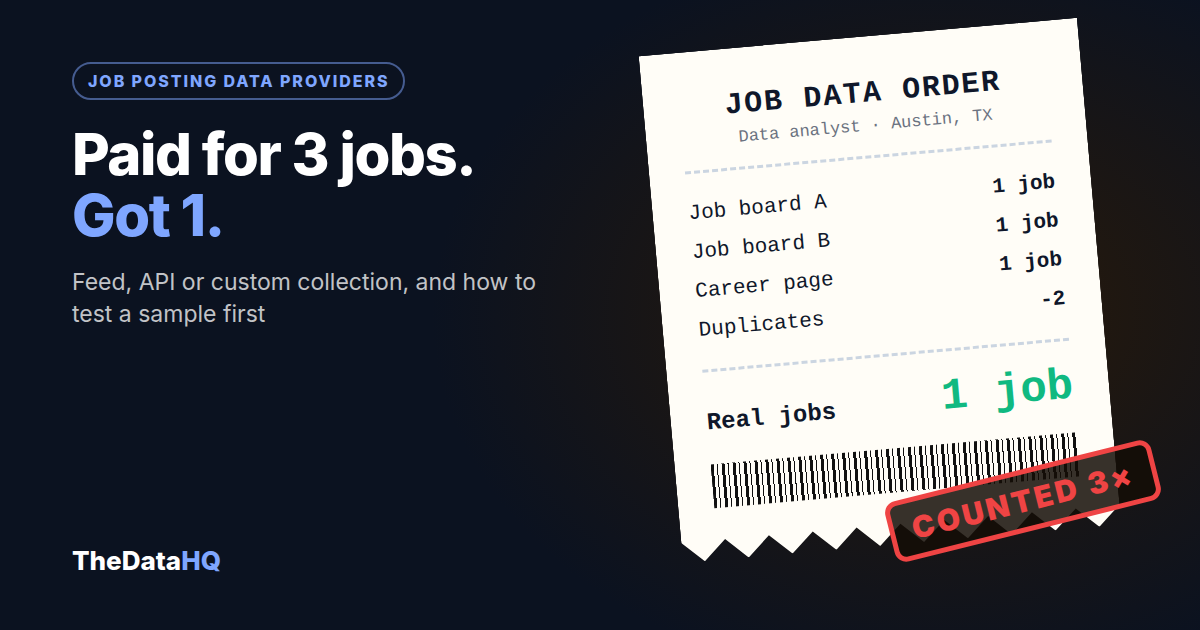
Job Posting Data Providers Compared: Feed, API or Scrape
Job posting data comes as a ready dataset, a pay-per-record API or a custom collection of named sites. Named providers with their…
Read the guide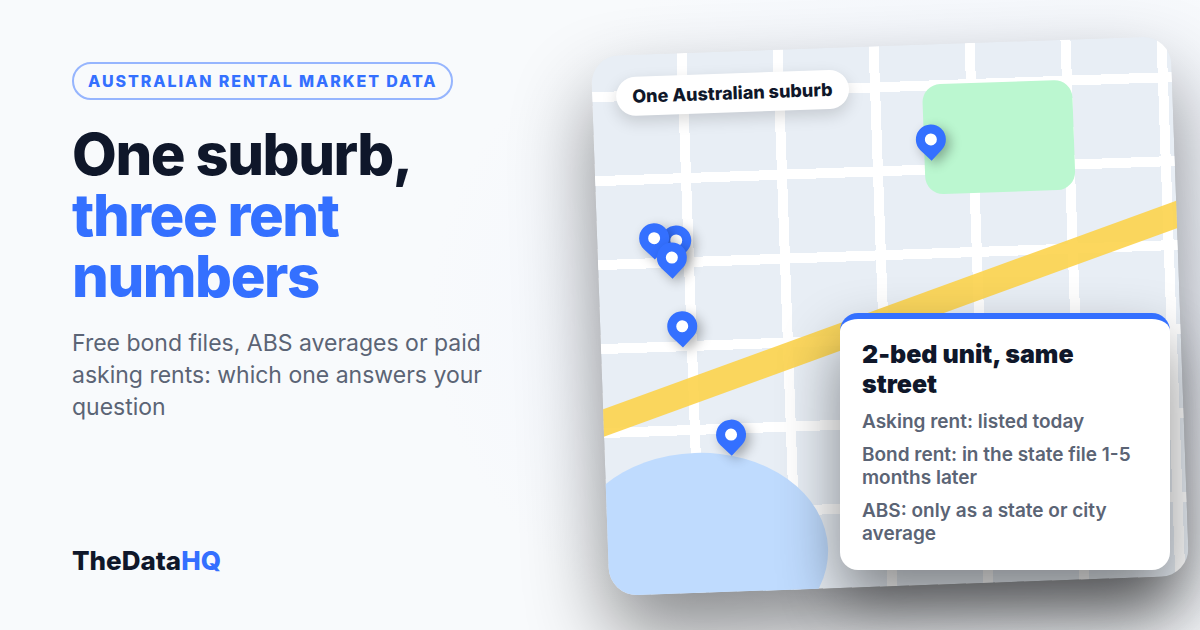
Rental Market Dataset Australia: Free vs Paid Sources
Australian rent data comes from free state bond files (suburb medians, months late), ABS averages, and paid asking-rent data from…
Read the guide