
Web Crawling Services for Whole Sites and Many Sources
Our web crawling services find and fetch every page that matters across a single large website or hundreds of sources, then hand the content to extraction so you get clean records. We map each site, follow the right links, ignore the noise and revisit pages on a schedule that matches how often they actually change.
What a Web Crawling Service Delivers
Before any field is extracted, the crawler builds an inventory of pages. This excerpt comes from a crawl of trade publications for a market research client. Each URL carries its page type, when we first saw it, when its content last changed and whether it duplicates a page we already hold.
| URL | Source | Page type | Depth | First seen | Last changed | Duplicate of |
|---|---|---|---|---|---|---|
| /news/2026/11/battery-plant-approved | portal-1 | Article | 3 | 19 Nov | 19 Nov | None |
| /amp/news/2026/11/battery-plant-approved | portal-1 | Article (AMP copy) | 4 | 19 Nov | 19 Nov | Row 1 |
| /companies/voltcell-energy | directory-2 | Company profile | 2 | 02 Mar | 14 Nov | None |
| /reports/grid-storage-outlook.pdf | institute-3 | PDF report | 5 | 21 Nov | 21 Nov | None |
| /tag/energy?page=14 | portal-1 | Listing page | 2 | 08 Jan | 21 Nov | Not stored |
| /press/2026/voltcell-series-b | company-4 | Press release | 3 | 20 Nov | 20 Nov | None |
What Is the Difference Between Web Crawling and Web Scraping?
Crawling is about discovery: starting from a few entry points and working out which pages exist, which are new and which have gone. Scraping is about extraction: reading a known page and pulling out named fields. Most projects need both, but the crawl is the harder half when the source is large, poorly linked or spread across many domains.
A good crawl decides what not to fetch. Calendar pages that go on forever, filter combinations that produce millions of near-identical URLs, print views, tracking parameters and session IDs can swallow a crawl budget in hours. We write rules for each source so the crawler spends its requests on pages that hold data you will use.
When you only need a known list of product or listing pages, our web scraping services are usually the better fit. When you need coverage, such as every article, every company profile or every document in a sector, a crawl comes first.
Types of Web Crawls We Run
Each crawl type has its own rules for scope, depth and revisit timing. Many projects combine two or three of them.
Full-site crawl
Every reachable page on one domain, mapped by section, with orphan pages found through sitemaps and internal search.
Multi-source crawl
The same kind of page, such as articles or company profiles, collected from dozens or hundreds of different sites.
Document crawl
PDFs, reports, filings and papers linked from web pages, fetched and passed to data extraction.
Incremental recrawl
Only new or changed pages are fetched again, so a large index stays current without repeating the whole crawl.
Seed-list crawl
You give us a list of domains, such as suppliers or competitors, and we crawl each one to a set depth.
Archive crawl
Raw HTML snapshots stored with timestamps, so you can prove what a page said on a given date.
What Data Does a Web Crawler Collect?
Page record
- Canonical URL and redirects
- HTTP status and fetch time
- Page type label
- Language
- Content fingerprint
Content
- Title, headings and body text
- Publish and update dates
- Author or issuing body
- Linked files and images
- Structured data found in the page
Crawl metadata
- Source and depth
- Parent page that linked to it
- First seen and last changed
- Duplicate cluster ID
- Removed or still live
How Our Web Crawling Service Works
- 01
Map the sources (days 0–2)
We sample each site, count its sections, find its sitemaps and agree which page types are in scope. You get a free sample crawl.
- 02
Set crawl rules (days 2–5)
URL patterns to follow and skip, depth limits, request pacing per domain and the fingerprint used to spot duplicates.
- 03
First full crawl (about day 7)
The baseline inventory is built and delivered, with a coverage report showing pages found per source and section.
- 04
Scheduled recrawls (ongoing)
Fast-moving sections are revisited often, static ones rarely. New, changed and removed pages are flagged on each delivery.
Web Crawling Case Study: 20M+ Publications Across 40 Sectors
For a market intelligence platform we crawl news sites, blogs, research papers, patents and PDF reports, organised into 40 sectors and more than 2,000 sub-sectors. Each document is deduplicated, tagged to companies and passed into a search index with entity recognition.
Read the case studyOff-the-Shelf Crawler vs Open Crawl Dataset vs Managed Web Crawling
| Option | Desktop crawler tool | Open crawl dataset | TheDataHQ |
|---|---|---|---|
| Built for | SEO audits of your own site | Broad research on the open web | Targeted data from chosen sources |
| Freshness | Whenever you press run | Snapshots weeks or months old | Recrawl schedule per section |
| Duplicates and noise | Reported, not removed | Left for you to filter | Removed before delivery |
| Content extraction | Basic page elements | Raw pages only | Clean fields in your schema |
| Running it | On your machine | Your own processing cluster | On our servers, monitored |
How Much Do Web Crawling Services Cost?
No minimum project size. Small fixes and big builds are both welcome.
Why Choose TheDataHQ for Web Crawling
Crawl cost is driven by pages fetched, not sources named, so we estimate the page count of each site before quoting. You see the expected volume, the revisit plan and the price before you commit, and the free sample shows real pages from your own sources.
We crawl politely. Requests to each domain are paced, robots.txt is read and respected for the paths in scope, and we only fetch publicly available pages without logging in. If a source cannot be crawled responsibly, we tell you on the scoping call.
Since 2015 our team has collected data from more than 10,000 websites and runs pipelines that handle over a million pages a day. You deal directly with the engineers who build your crawler, and you get a reply within 4 business hours.
What is a web crawling service?
It is a managed service that discovers and downloads pages from the websites you choose, then delivers either the raw pages or clean extracted data. We build the crawler, run it on our servers and keep it current.
How many pages can you crawl a day?
Our infrastructure handles over a million pages a day across all clients. The rate for a single site is set by what that site can handle politely, so very large single-site crawls are spread over several days.
How do you avoid crawling duplicate pages?
We normalise URLs, drop tracking parameters and session IDs, follow canonical tags and compare a fingerprint of each page's main content. Copies such as AMP or print versions are linked to the original rather than delivered twice.
Can you crawl a website and only get the pages that changed?
Yes. After the first full crawl we run incremental recrawls that fetch new pages and recheck known ones by section, so you receive only new, changed and removed pages in each delivery.
Do you respect robots.txt when crawling?
Yes. We read robots.txt for every source, pace our requests and only collect public pages. We review each site's terms before starting and say so plainly if a source is not suitable.
Can you crawl PDFs and documents, not just web pages?
Yes. The crawler follows links to PDFs, Word files and reports, downloads them and passes them to extraction so the text and tables arrive as structured data.
How much does a custom web crawler cost?
Engineers work from $15 an hour, dedicated engineers from $2,400 a month, and fixed-price crawls are quoted up front once we know the page count and revisit plan.
Web crawling services guides
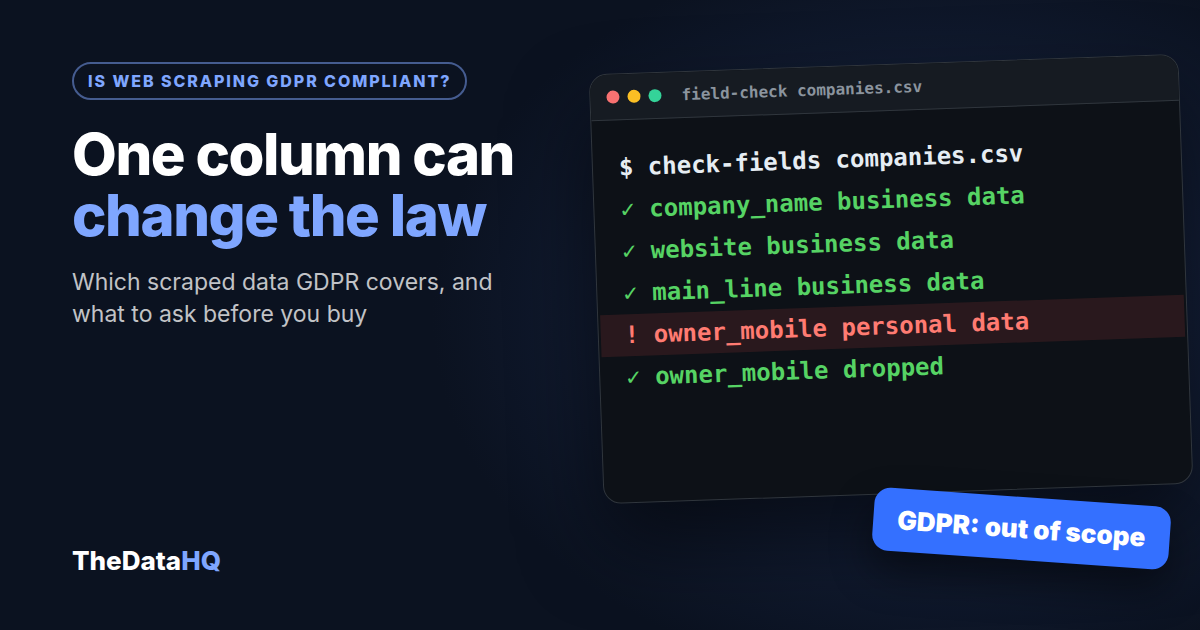
Is Web Scraping GDPR Compliant When You Buy the Data?
GDPR only applies when scraped data identifies a person. Which data is in scope, who is responsible when you buy it, what the EDPB draft…
Read the guide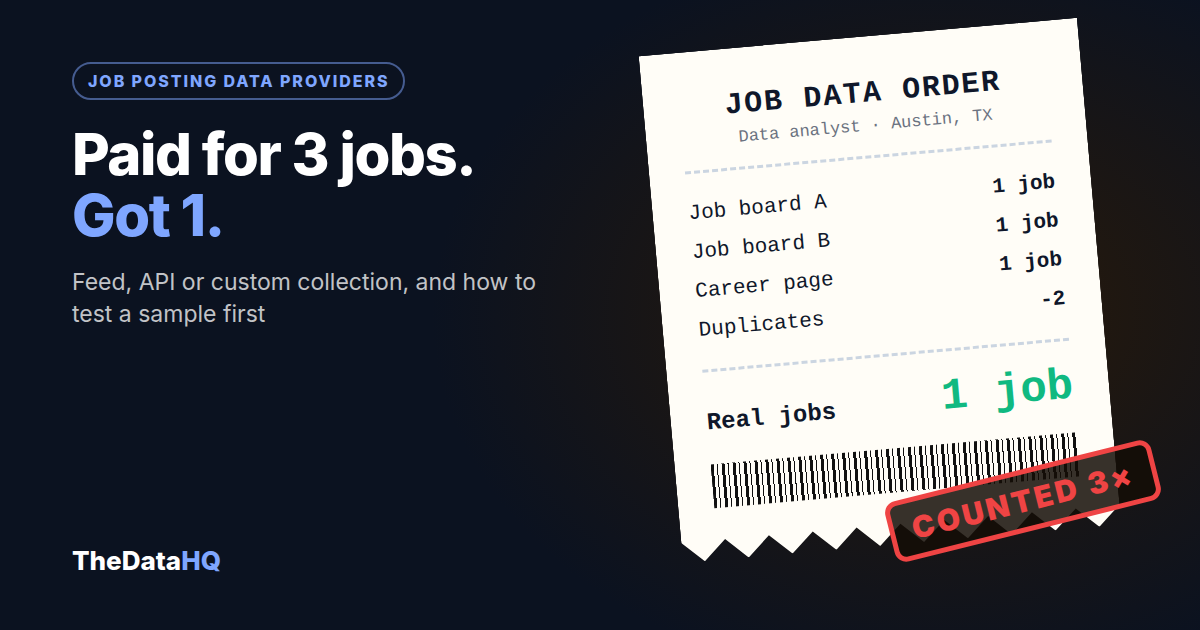
Job Posting Data Providers Compared: Feed, API or Scrape
Job posting data comes as a ready dataset, a pay-per-record API or a custom collection of named sites. Named providers with their…
Read the guide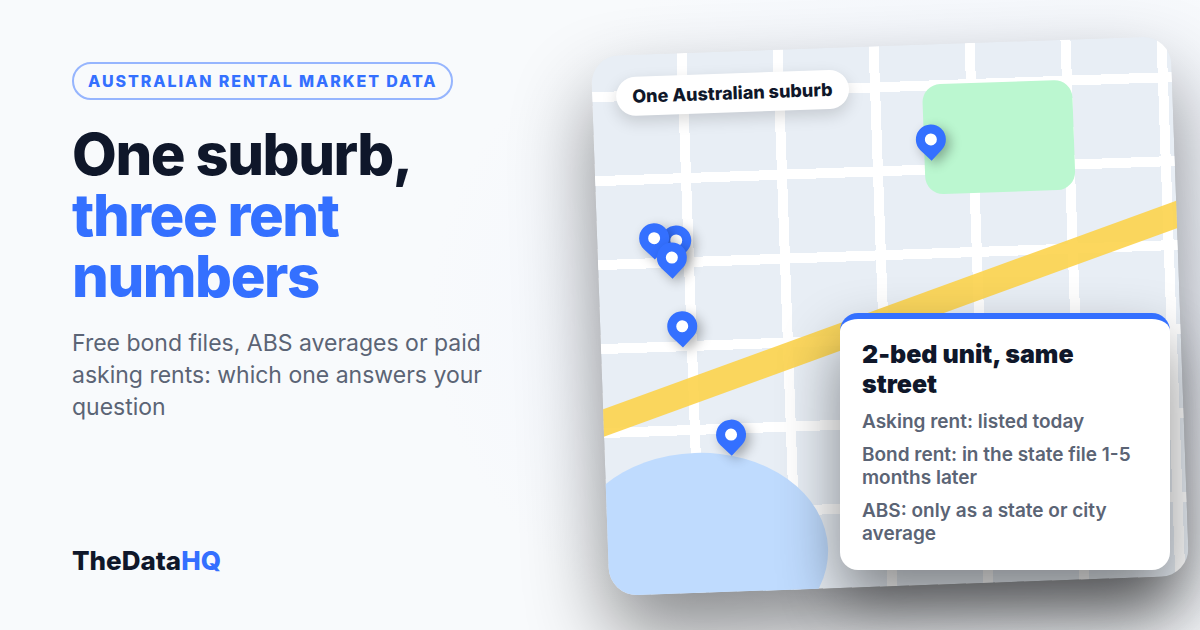
Rental Market Dataset Australia: Free vs Paid Sources
Australian rent data comes from free state bond files (suburb medians, months late), ABS averages, and paid asking-rent data from…
Read the guide