
Customer Intelligence Data: Why Customers Buy, Switch and Stay
Customer intelligence data explains the decisions behind your numbers: why people choose a product, what they ask before buying, what makes them switch and what they wish existed. We combine public reviews, product questions and answers, forum threads and public social posts about your category into one voice-of-the-customer dataset, then organise it around buying decisions so product, marketing and insight teams can use it.
What Can Customer Intelligence Data Tell You?
Sales data says what happened. Public customer conversation says why. These are the questions insight and product teams bring to us.
Why do people choose us?
The reasons buyers give for picking your product, in their own words, ranked by how often they come up.
What do shoppers ask before buying?
Pre-purchase questions from product Q&A sections and forums, showing doubts your pages do not answer.
Why do customers switch?
Posts and reviews that mention moving from one brand to another, and the reason given.
What do they wish existed?
Requests, workarounds and complaints about the whole category, which point to product gaps.
How do segments differ?
Needs grouped by use case, such as parents, professionals or first-time buyers, as stated in the text.
Which words do customers use?
The terms buyers use for your product and its benefits, useful for copy, search and ads.
Customer Intelligence Data Sample: Buying Decision Signals
Records from a study of the robot vacuum category. Each row is a public comment tagged with the stage of the buying decision it reveals and the need behind it.
| Source type | Source | Brand | Extract | Decision stage | Need | Segment | Date |
|---|---|---|---|---|---|---|---|
| Product Q&A | retailer-a.com | Brand A | Will it get stuck on a deep-pile rug? | Before purchase | Carpet handling | Rug owners | 08 Nov |
| Forum | forum-1 | Brand B | Moved from Brand B because the app kept losing the map | Switching | Reliable mapping | Multi-floor homes | 10 Nov |
| Review | retailer-b.com | Brand A | Finally something that copes with dog hair every day | After purchase | Pet hair | Pet owners | 12 Nov |
| Public post | social-2 | Category | Wish one of these could empty itself and mop too | Wish list | Less maintenance | Busy households | 15 Nov |
| Product Q&A | retailer-c.com | Brand C | How loud is it if I run it at night? | Before purchase | Quiet running | Flat dwellers | 17 Nov |
Customer Intelligence Data Fields
Source record
- Text extract and full text
- Source type, site and URL
- Date and language
- Brand and product mentioned
- Rating, votes or replies where public
Decision tags
- Decision stage (before, after, switching)
- Need or job to be done
- Objection or doubt raised
- Competitor named
- Purchase driver mentioned
Segment and summary
- Self-described use case or segment
- Theme group
- Volume by month
- Share by brand
- Representative quotes
How Is Customer Intelligence Different From Review Analysis?
Review analysis looks at what customers say after they buy one product. Customer intelligence looks at the whole journey across the whole category. Product question and answer sections show the doubts people have before they buy. Forums show long comparisons and switching stories. Public posts show the wishes and frustrations of people who have not bought anything yet. Reviews show what happened once they did.
Putting these sources together changes the questions you can answer. You can see that a doubt raised often in pre-purchase questions, say about noise, rarely shows up in reviews, which suggests the product is fine but the product page fails to say so. Or you can see that one competitor wins switchers on a single feature, which tells your roadmap team where to look.
The unit of analysis is the decision, not the star rating. We tag every comment with the stage it belongs to and the need it expresses, so the output reads as a map of how customers choose. If you only need review themes and fault alerts, our review intelligence solution is the lighter option.
Have You Built Customer Insight Pipelines Before?
Yes. We built a real-time social listening pipeline for a marketing technology company that collects public posts from 5 platforms, scores each mention for sentiment with NLP and streams it to their product as one feed. Customer intelligence uses the same collection, cleaning and language processing, with a different set of tags on top. The social listening case study covers the technical side.
We have not yet published a full customer intelligence study, so we start with a free sample on your own category. You see real comments tagged by stage and need before you commit to the full project.
What Does a Customer Intelligence Study Include?
Most clients start with a one-off study and then keep a monthly feed running.
- Collection from reviews, product Q&A, forums and public posts in your category
- Every comment tagged by decision stage, need, objection and segment
- An insight report with top purchase drivers, doubts and switching reasons
- A list of unanswered pre-purchase questions to fix on product pages
- Customer language lists for copy, search and ad teams
- A dashboard and raw tagged data for your own analysis
What we never collect
- Names, profiles or contact details of the people posting
- Private groups, private messages or content behind a login
- Any personal data used to target individuals
How Does a Customer Intelligence Project Work?
- 01
Define the category
We agree the products, competitors, source types and the decisions you want to understand.
- 02
Tagged sample in 48 hours
A few hundred real comments tagged by stage and need, so you can shape the tag list.
- 03
Study ready in about 7 days
Full collection and tagging, then the insight report and dashboard for a single category.
- 04
Monthly refresh
New comments are added each month so you can see needs and objections shift over time.
How Much Does Customer Intelligence Data Cost?
No minimum project size. Small fixes and big builds are both welcome.
What is customer intelligence data?
It is information about why customers buy, what they need and why they switch, built here from public reviews, product questions, forums and public posts across your category.
Do you collect personal data about customers?
No. We keep the public text, its source and date, and tags such as need or decision stage. We do not collect names, profiles or contact details of the people posting.
Can customer intelligence include competitor customers?
Yes. We collect public comments about competitor products and the whole category, which is often where the most useful insight about switching and unmet needs comes from.
How is this different from running a customer survey?
A survey answers the questions you thought to ask. Public conversation shows what customers raise on their own, at a much larger scale and at lower cost. Many teams use both.
Can you combine public data with our own customer feedback?
Yes. We can tag your support tickets, survey answers or chat logs with the same scheme, so internal and public feedback sit in one view.
How much does a customer intelligence study cost?
Most first studies are fixed-price and quoted after a short scoping call. Ongoing feeds can run on engineering hours from $15 or a dedicated engineer from $2,400 a month, and the sample is free.
How often should customer intelligence be refreshed?
Monthly suits most categories. Fast-moving consumer categories, or the months around a launch, can run weekly.
Customer intelligence data guides
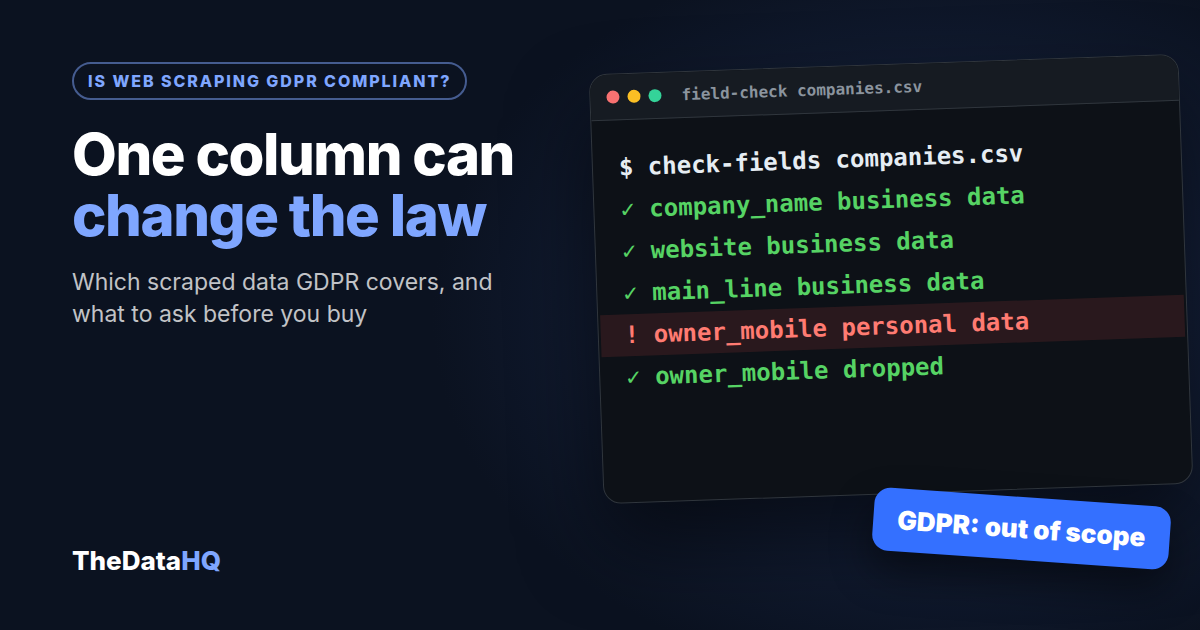
Is Web Scraping GDPR Compliant When You Buy the Data?
GDPR only applies when scraped data identifies a person. Which data is in scope, who is responsible when you buy it, what the EDPB draft…
Read the guide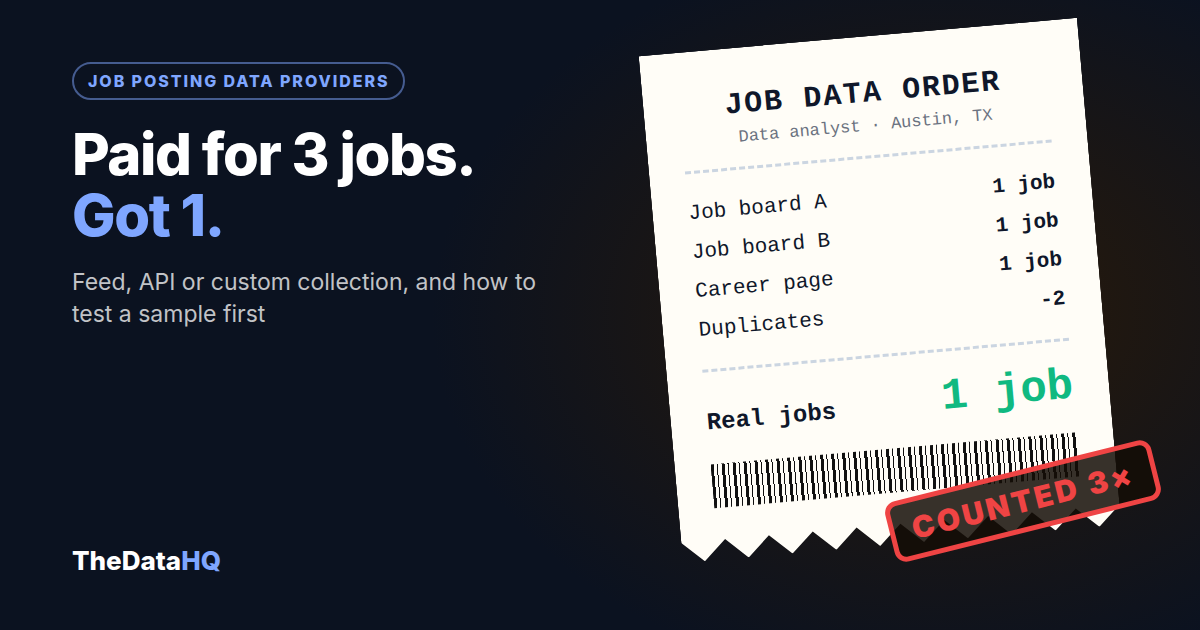
Job Posting Data Providers Compared: Feed, API or Scrape
Job posting data comes as a ready dataset, a pay-per-record API or a custom collection of named sites. Named providers with their…
Read the guide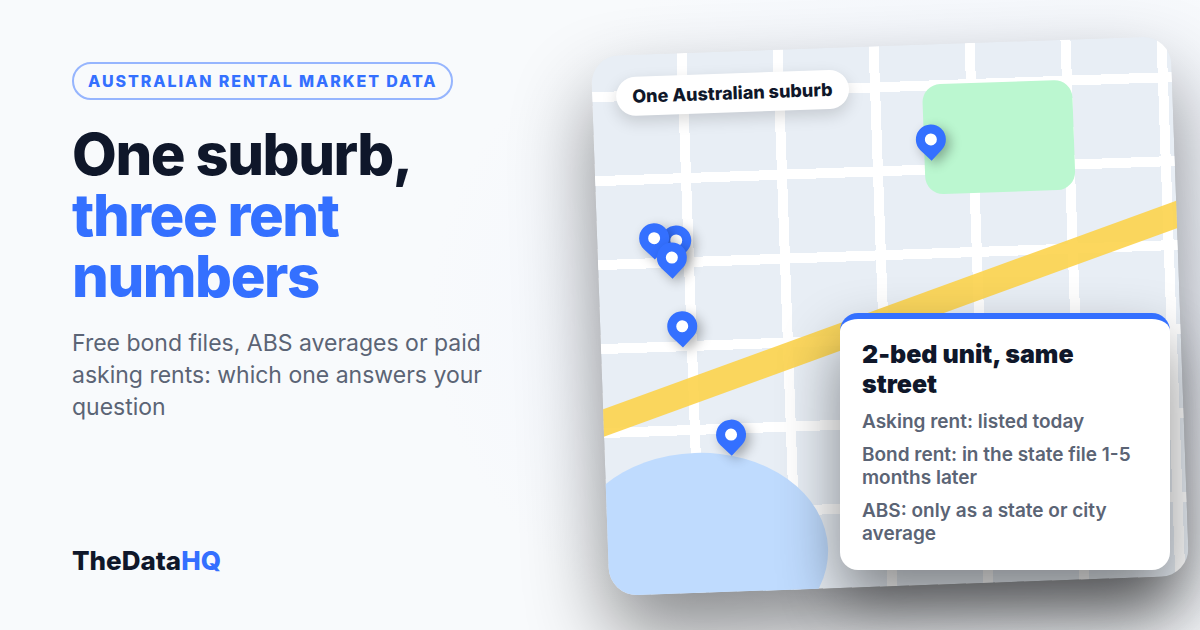
Rental Market Dataset Australia: Free vs Paid Sources
Australian rent data comes from free state bond files (suburb medians, months late), ABS averages, and paid asking-rent data from…
Read the guide