
Web Scraping for Research, Journalism & Think Tanks
Our web scraping for research service builds datasets for academics, journalists and think tanks from news sites, publications, patents, archives and public records. Every record keeps its source, timestamp and a stored copy of the page, so your method can be documented and your findings checked.
What Data Can Researchers and Journalists Scrape?
Research questions decide the sources. These are the ones we collect most often, alone or combined.
News and media
Articles, headlines, bylines, dates, sections and tags from news outlets and blogs, over months or years.
Learn morePublications and papers
Titles, abstracts, authors' affiliations, journals and citations from public research repositories.
Learn morePatents
Applications, assignees, classifications, claims and filing dates from public patent databases.
Web archives and page history
Snapshots of pages over time to show what changed, what was edited and what was removed.
Learn moreGovernment and public records
Budgets, contracts, registers, statements and official publications.
Learn morePublic discussion
Public forum posts and comments for discourse and sentiment studies, with usernames removed.
Learn moreResearch Dataset Sample: News Coverage Study
A media research group studies how outlets covered heat waves over five summers. Each article is tagged by outlet, date and topic, and linked to a stored copy of the page as it was collected.
| Article ID | Outlet | Published | Section | Headline | Words | Entities found | Snapshot |
|---|---|---|---|---|---|---|---|
| A-104221 | news-site-1 | 14 Jul 2022 | Weather | Hottest day on record as temperatures pass 40C | 812 | Weather agency, Health service | Stored |
| A-104388 | news-site-2 | 15 Jul 2022 | Politics | Ministers face questions over heat plan | 1,046 | Health department | Stored |
| A-209775 | news-site-1 | 02 Aug 2024 | Climate | Scientists link summer heat to warming trend | 1,390 | University A | Stored |
| A-311402 | news-site-3 | 19 Jun 2025 | Business | Retailers report record fan and air cooler sales | 634 | Retailer B, Retailer C | Stored |
| A-311950 | news-site-2 | 23 Jun 2025 | Health | Hospitals prepare for heat-related admissions | 905 | Health service, Hospital trust D | Edited after publication |
Web Scraping for Research Case Study: 20M Publications
For a sector-wise market intelligence platform we collect news, blogs, research papers, patents and PDF reports across 40 sectors and more than 2,000 sub-sectors. Over 20 million publications are linked to 3 million company records using named entity recognition, so analysts can search any sector, company or technology and see everything written about it.
Read the case studyHow to Make Scraped Data Fit for Academic Research
Reviewers and editors ask the same questions about scraped data: where exactly did it come from, when was it collected, what was left out and could someone repeat it? We design for those questions from the start. Every record keeps its source URL, collection time and a stored copy of the raw page, and we write a short collection note listing sources, dates, filters and known gaps that you can adapt for your methods section.
Sampling deserves the same care. A crawl that follows links will over-represent popular pages and miss quiet corners of a site. We agree the sampling frame with you, whether that is every article in a date range, every filing of a given type or a random sample of a large collection, and we report how complete the result is against the source's own counts where those exist.
Text needs cleaning before it can be analysed. We strip menus, adverts and related-story links from articles, remove duplicate syndicated copies, detect language and, if you need it, tag people, organisations and places in the text. You receive analysis-ready files, plus the raw pages if you want to check our work.
How Journalists Use Web Scraping in Investigations
Data journalism often starts with a question no published dataset answers: how many listings, contracts, prices or statements changed over a period, and who changed them. Scraping builds that dataset from the public web. We have collected structured data from more than 10,000 websites, so a newsroom gets a working feed in days rather than waiting for a developer to become free.
Investigations also need evidence that holds up. Pages are edited and deleted, so we keep timestamped snapshots of everything we collect and can monitor a set of pages for changes, sending an alert when wording, figures or whole pages disappear. Sources and story details stay confidential, and we sign a non-disclosure agreement when you ask.
What Is Included in a Research Data Project?
Researchers rarely have an engineer to spare, so we hand over everything needed to analyse, document and defend the dataset.
- The cleaned dataset as CSV, JSON, Parquet or a database export
- Raw page snapshots for every record collected
- Source URL and collection timestamp on every row
- A collection note covering sources, dates, filters and gaps
- Duplicate and syndicated copies removed and logged
- Optional entity tagging for people, organisations and places
- Personal data removed or pseudonymised unless your ethics approval covers it
What we will not do
- Collect from behind logins, paywalls or private groups
- Gather personal profiles or contact details of individuals
- Get around a site's access controls
Who Uses Web Scraping for Research?
Our research clients share one need: a defensible dataset, built quickly, without hiring a developer for a single study.
Universities and PhD teams
Corpora and panels for social science, economics and computational linguistics.
Learn moreNewsrooms
Datasets and change monitoring for investigations and data-led stories.
Think tanks and policy groups
Evidence on prices, public spending, jobs or housing for policy reports.
Learn moreResearch consultancies
Sector maps, company lists and topic tracking for client reports.
Learn moreHow Our Research Data Collection Works
- 01
Design the dataset
We agree sources, date range, sampling frame and fields with you, and check each source's terms.
- 02
Free sample in 48 hours
A slice of real records with provenance, so you can test your analysis before the full run.
- 03
Collect and document
The full collection runs, often in about 7 days, and ships with a collection note and raw snapshots.
- 04
Refresh or archive
One-off datasets are archived for you; ongoing studies keep running on a schedule.
How Much Does Research Data Scraping Cost?
No minimum project size. Small fixes and big builds are both welcome.
Is web scraping allowed for academic research?
Collecting public data for research is generally lawful, and some countries have specific text and data mining exceptions. We collect only public pages, review each source's terms and keep personal data out unless your ethics approval covers it.
Can you scrape news articles for a research project?
Yes. We collect articles with outlet, date, section, author line and full text across the date range you need, remove duplicates and keep a stored copy of every page.
How do I cite or document a scraped dataset?
We give you a collection note listing sources, dates, filters, volumes and known gaps, plus source URLs and timestamps on every record, which you can adapt for your methods section.
Can you track changes or deletions on web pages?
Yes. We take timestamped snapshots of the pages you choose and alert you when text, figures or whole pages change or disappear.
Can you collect patent and research paper data?
Yes. We have collected patents, papers and PDF reports at scale, including more than 20 million publications for one market intelligence platform.
How much does web scraping for research cost?
Many research datasets are one-off, fixed-price projects quoted up front, which suits grant budgets. Ongoing work is billed from $15 an hour, or from $2,400 a month for a dedicated engineer.
Do you keep our research topic confidential?
Yes. We never share or resell a client's dataset and we will sign a non-disclosure agreement before you share details of a study or story.
Web scraping for research guides
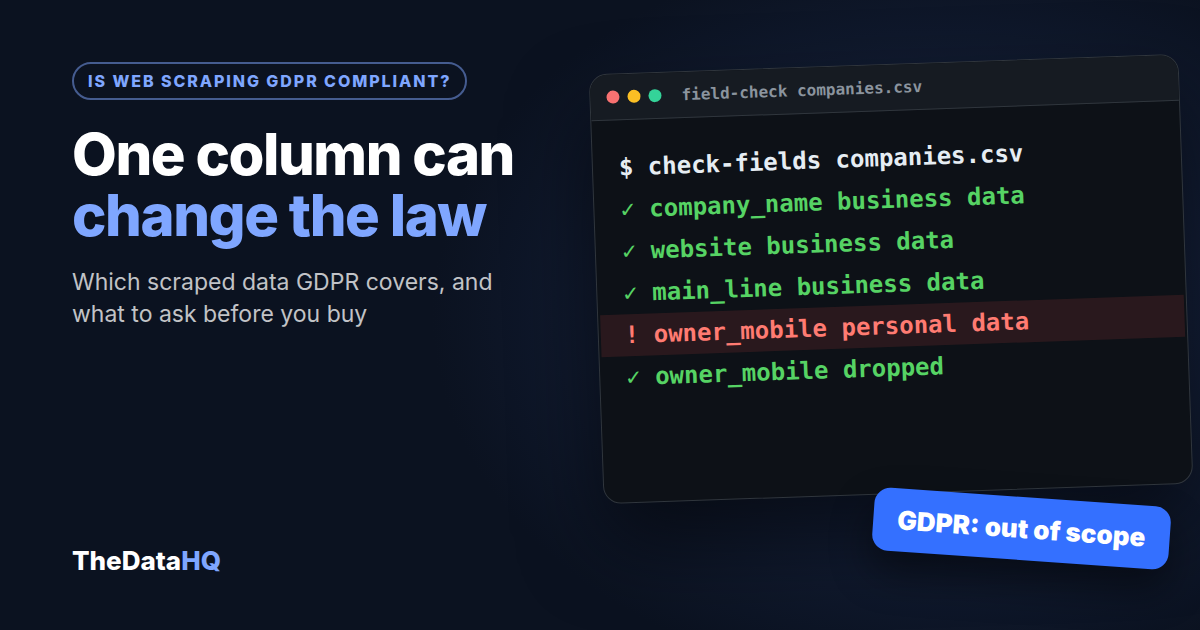
Is Web Scraping GDPR Compliant When You Buy the Data?
GDPR only applies when scraped data identifies a person. Which data is in scope, who is responsible when you buy it, what the EDPB draft…
Read the guide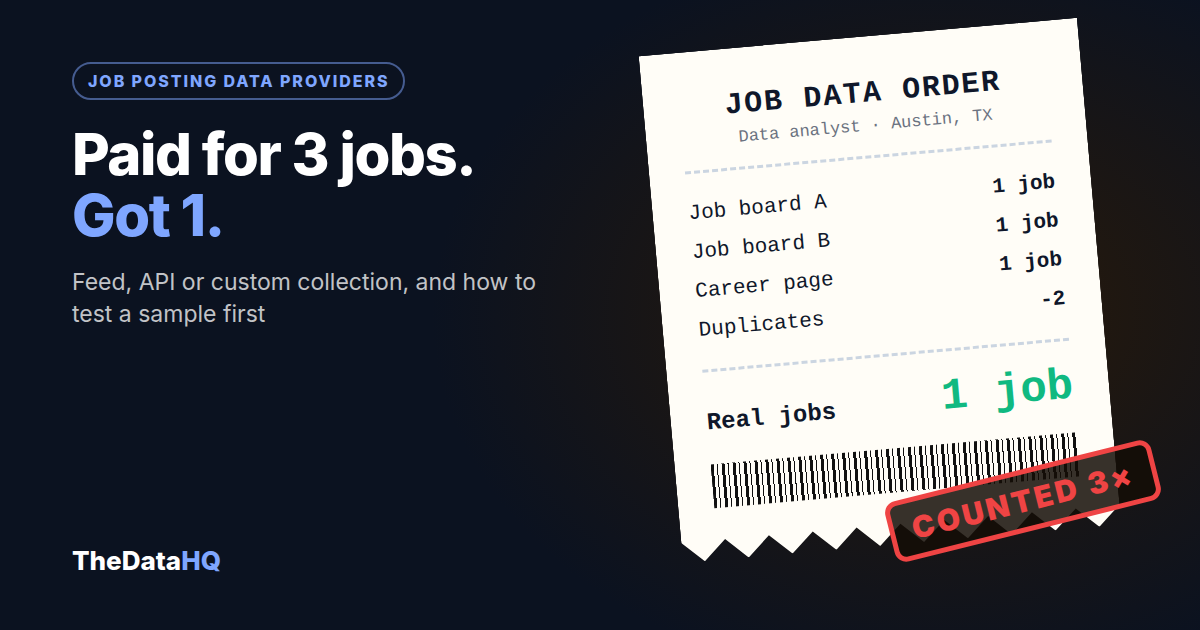
Job Posting Data Providers Compared: Feed, API or Scrape
Job posting data comes as a ready dataset, a pay-per-record API or a custom collection of named sites. Named providers with their…
Read the guide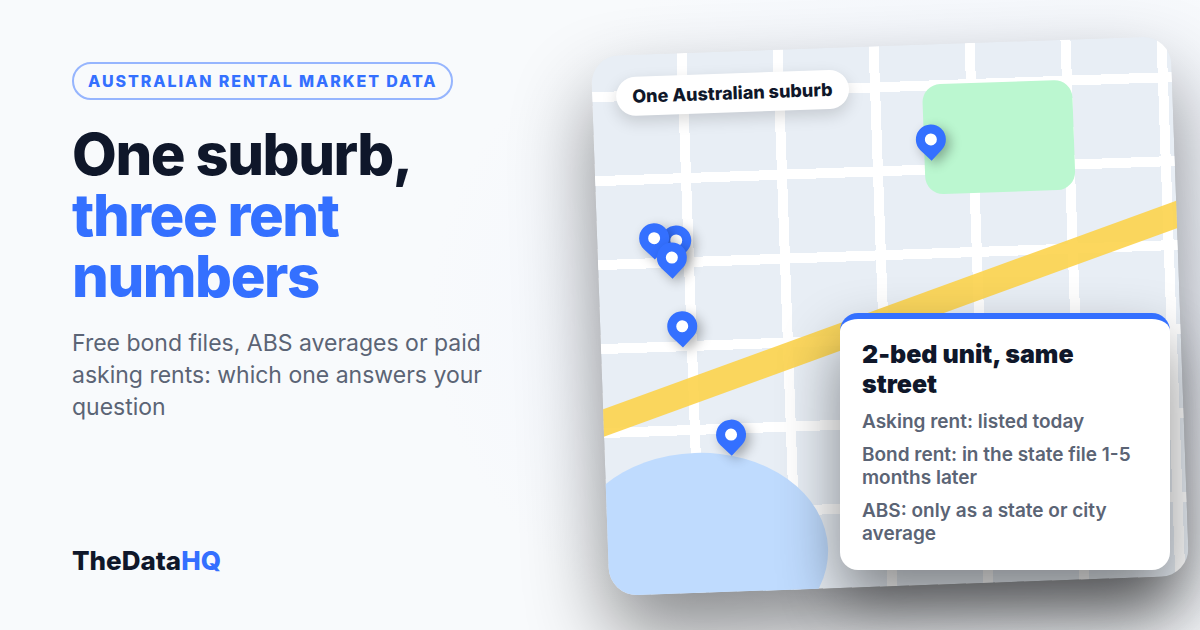
Rental Market Dataset Australia: Free vs Paid Sources
Australian rent data comes from free state bond files (suburb medians, months late), ABS averages, and paid asking-rent data from…
Read the guide